
Don’t Ignore these 5 Signs of Low Transmission Fluid
Waterloo Transmissions • April 4, 2025
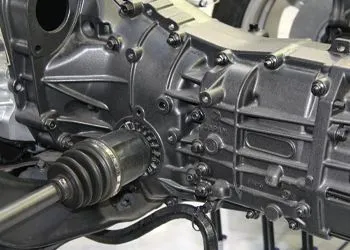
A close up of a car engine with a drive shaft.

Your car’s transmission relies on fluid to keep its components lubricated and running smoothly. When transmission fluid levels drop too low, serious problems can arise, potentially leading to costly repairs. Recognizing the signs of low transmission fluid early can help prevent damage and keep your vehicle performing as it should. At Waterloo Transmissions, we can expertly handle leaks that cause low transmission fluid. Here are five warning signs that your car may be running low on transmission fluid.


Slipping Gears

One of the most noticeable signs of low transmission fluid is gear slippage. If your vehicle struggles to stay in gear or shifts unpredictably, it may not be getting enough hydraulic pressure from the transmission fluid. This can cause the engine to rev without a corresponding increase in speed, making driving both frustrating and unsafe. 


Delayed/Rough Shifting

Low transmission fluid can lead to difficulty when shifting gears. You might notice a hesitation when accelerating or feel a jolt when the transmission changes gears. This happens because the fluid provides the necessary lubrication and pressure for smooth gear transitions. Without enough fluid, the gears struggle to engage properly, leading to rough or delayed shifting. 


Overheating Transmission

Transmission fluid plays a critical role in keeping the system cool by reducing friction and dissipating heat. When fluid levels are too low, the transmission can overheat, leading to a burning smell coming from the engine area. Overheating can cause serious internal damage to the transmission, resulting in expensive repairs.


Unusual Noises

A well-functioning transmission should operate smoothly and quietly. However, when fluid levels are low, you may hear whining, grinding, or clunking noises coming from the transmission. These sounds occur because the metal components inside the transmission are not properly lubricated, leading to increased friction and wear. 


Transmission Fluid Leaks

If you notice a puddle of reddish fluid under your vehicle, it’s a warning sign of a transmission fluid leak. Leaks can occur due to worn-out seals, gaskets, or cracks in the transmission system. Even a small leak can soon lead to low fluid levels, causing major transmission trouble. 


Transmission Service in Akron, OH

For transmission service in Akron, Canton, and Dover, OH, contact Waterloo Transmissions. Our local transmission mechanics can expertly handle your vehicle’s transmission needs in Akron and the surrounding area!


By Waterloo Transmissions March 7, 2026
Transmission fluid is essential to keeping your vehicle shifting smoothly and operating efficiently. It lubricates moving parts, cools the transmission, and helps transfer power from the engine to the wheels. When a leak develops, it can quickly lead to performance issues and costly damage if not addressed. Many drivers are unsure how serious a transmission fluid leak can be or what the repair process involves. At Waterloo Transmissions, we’re happy to answer any of your questions about transmission fluid leak repair in the greater Akron, OH area . What Are the Signs of a Transmission Fluid Leak? One of the most common signs of a transmission fluid leak is a reddish puddle under your vehicle. You may also notice a burning smell, delayed shifting, slipping gears, or unusual noises while driving. In some cases, a warning light may illuminate on your dashboard. Low transmission fluid levels can cause overheating and increased friction, which may lead to significant internal damage if ignored. What Causes Transmission Fluid Leaks? Transmission fluid leaks can occur for several reasons. Worn or damaged seals and gaskets are among the most common causes. Over time, these components can crack or deteriorate due to heat and age. A damaged transmission pan and faulty lines can also result in leaks. In some cases, previous improper installation of parts may contribute to the problem. What Does Transmission Fluid Leak Repair Involve? The repair process depends on the source and severity of the leak. In relatively minor cases, replacing a gasket, seal, or tightening bolts on the transmission pan may resolve the issue. If lines are damaged, they may need to be repaired or replaced. More extensive leaks involving internal components could require more complex repairs or even transmission removal. After the repair, the technician will properly refill and test the transmission fluid to ensure proper operation. Can I Drive with a Transmission Fluid Leak? Driving with a transmission fluid leak is not recommended. Even a small leak can lead to low fluid levels, causing overheating and internal damage. Continuing to drive may result in slipping gears, poor acceleration, or complete transmission failure. Addressing the leak promptly can prevent more expensive repairs down the road. Where Can I Get Transmission Fluid Leak Repair in Akron? For expert transmission fluid leak repair in Akron, Canton, and Dover, OH , contact Waterloo Transmissions . Our local transmission mechanics can thoroughly address your vehicle’s transmission needs!
By Waterloo Transmissions February 5, 2026
A healthy automatic transmission enables smooth gear changes, efficient power delivery, and a comfortable driving experience. But when transmission problems arise, they can be confusing and stressful for drivers who may not be familiar with how these systems work. At Waterloo Transmissions, we’re happy to answer any of your questions about automatic transmission repair in the greater Akron, OH area. What Are the Signs of Transmission Trouble? Warning signs often include slipping gears, delayed shifting, rough or jerky gear changes, and unusual noises such as whining. You might also notice leaking transmission fluid or a burning smell. If your vehicle hesitates when accelerating or struggles to stay in gear, it’s important to have it inspected as soon as possible. What Causes Automatic Transmission Problems? Automatic transmission issues can develop for several reasons. Low or contaminated transmission fluid is a leading cause, as fluid is essential for lubrication, cooling, and hydraulic pressure. Overheating, worn internal components, and neglected maintenance can also lead to serious damage. Addressing small problems early can help prevent more extensive repairs later. Can Transmission Problems Usually Be Fixed Without Replacement? Some drivers worry that any transmission issue means a full replacement. While severe damage may require rebuilding or replacing the transmission, many problems can be resolved with less extensive repairs. Replacing worn seals, fixing leaks, or repairing specific components can often restore proper function. A professional diagnostic inspection will determine the most cost-effective solution. How Long Does Transmission Repair Take? Repair timelines vary depending on the severity of the issue. Some repairs, such as fixing a fluid leak, may potentially be completed within a day. More complex jobs, including transmission rebuilds, can take several days due to the labor involved and the need for specialized parts. The shop can provide a clear estimate after diagnosing the problem. How Can You Prevent Transmission Problems? Preventive maintenance is key to avoiding costly transmission repairs. Regular fluid checks and changes help keep internal components lubricated and cool. Following the manufacturer’s recommended service schedule and avoiding aggressive driving habits can also extend transmission life. If you notice any unusual performance issues, addressing them quickly can often prevent further damage. Where Can I Get Expert Automatic Transmission Repair in Akron, OH? For expert transmission repair in Akron , Canton, and Dover, OH, contact Waterloo Transmissions. Our nearby transmission mechanics can thoroughly address your vehicle’s transmission needs!